
People

Eva R. Pool, Phd
Lab Director


Eva received her PhD in psychology from the University of Geneva. She completed a postdoctoral fellowship at the California Institute of Technology, and she is now an Assistant Professor at the Departement of Psychology of the University of Geneva. She is also affiliated with the Swiss Center for Affective Sciences.

Lavinia Wuensch, Phd
Post doctoral student
Lavinia received her Phd degree in psychology under the supervision of Prof. David Sander and Eva. Currently, she is a postdoctoral student in the lab and her research aims at better understanding the links between individual differences in affective learning and vulnerabilities to compulsive reward seeking behaviors.

Yvain Tisserand, Phd
Senior Researcher
Yvain received his PhD degree in computer science under the supervision of Prof. Nadia Magnenat-Thalmann (MIRALab/UNIGE). Currently, he is a research and teaching fellow and his research focuses on the creation of emotional virtual humans for virtual reality experiences.

Océane Lauret, MSc
Graduate student
Océane obtained a master’s degree in cognitive and applied psychology. Currently, she is a graduate student under the co-suspervision of Dr. Nicolas Burra and Eva. Her research aims at better understanding the role of affect in the fundamental mechanisms underlying individual sensitivities to social reward.
.
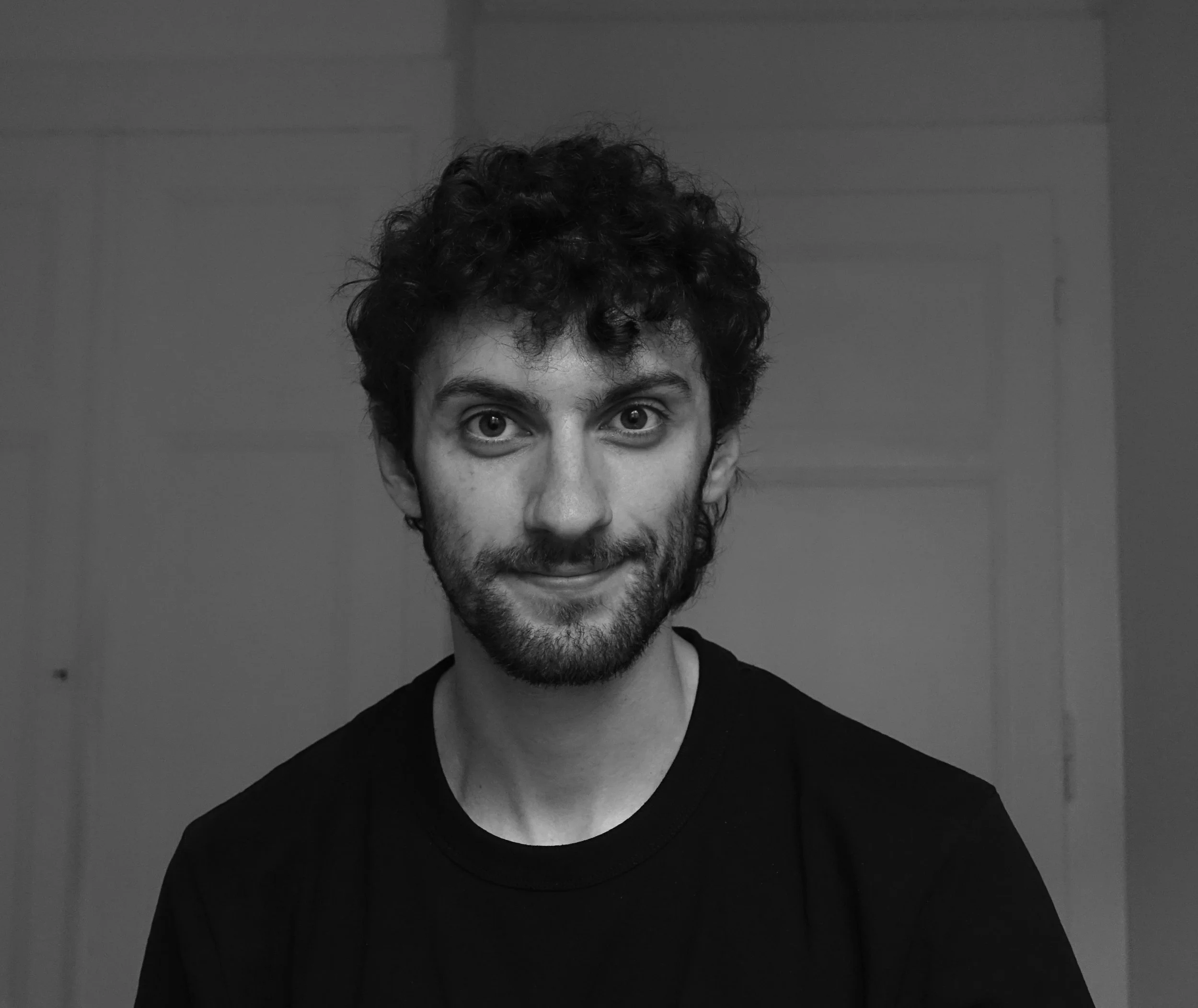
Théo Vernede, MSc
Graduate student
Théo obtained a master’s degree in clinical and affective psychology. Currently, he is a graduate student under the co-supervision of Prof. Géraldine Coppin and Eva. His research aims at better understanding the affective mechanisms of reward processing underlying food intake and sedentariness.

Anaïs Quossi, MSc
Graduate student
Anaïs obtained a master’s degree in fundamental and applied cognitive sciences. Currently, she is a graduate student under the co-supervision of Eva and Prof. Géraldine Coppin. Her research investigates the affective reward mechanisms triggered by food and sedentary cues, how these mechanisms predict health behaviors in everyday life, and how they can be modulated through cognitive training.